The Embodied Artifact: Costume as Sculptural Form and Performative Tool
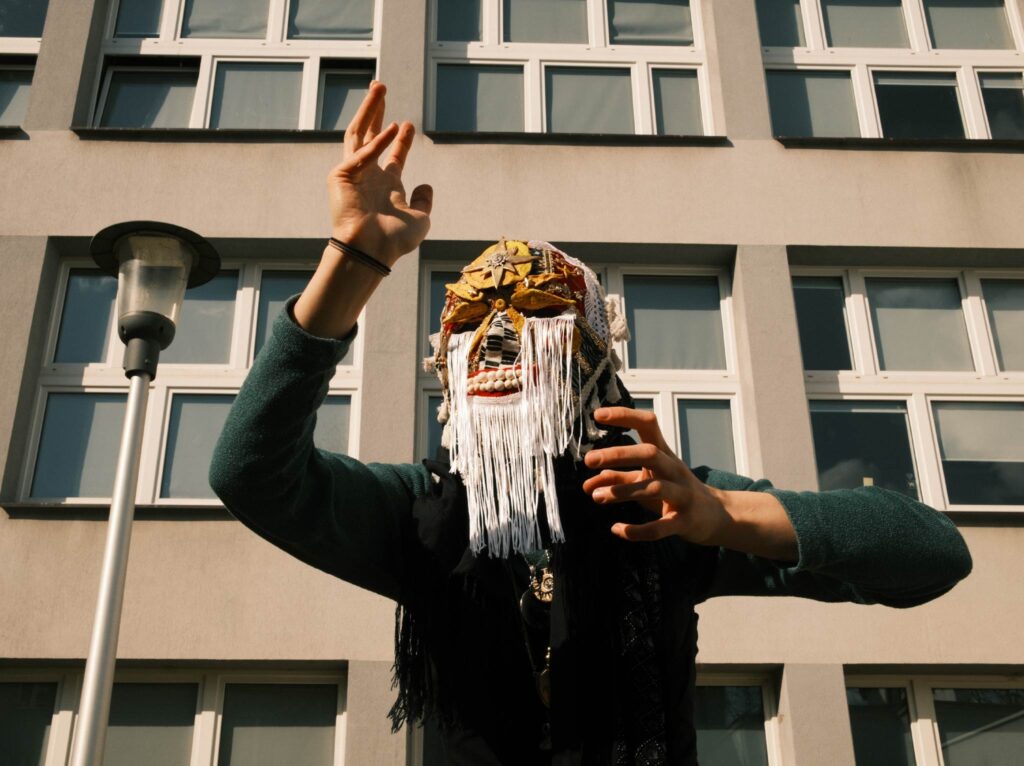
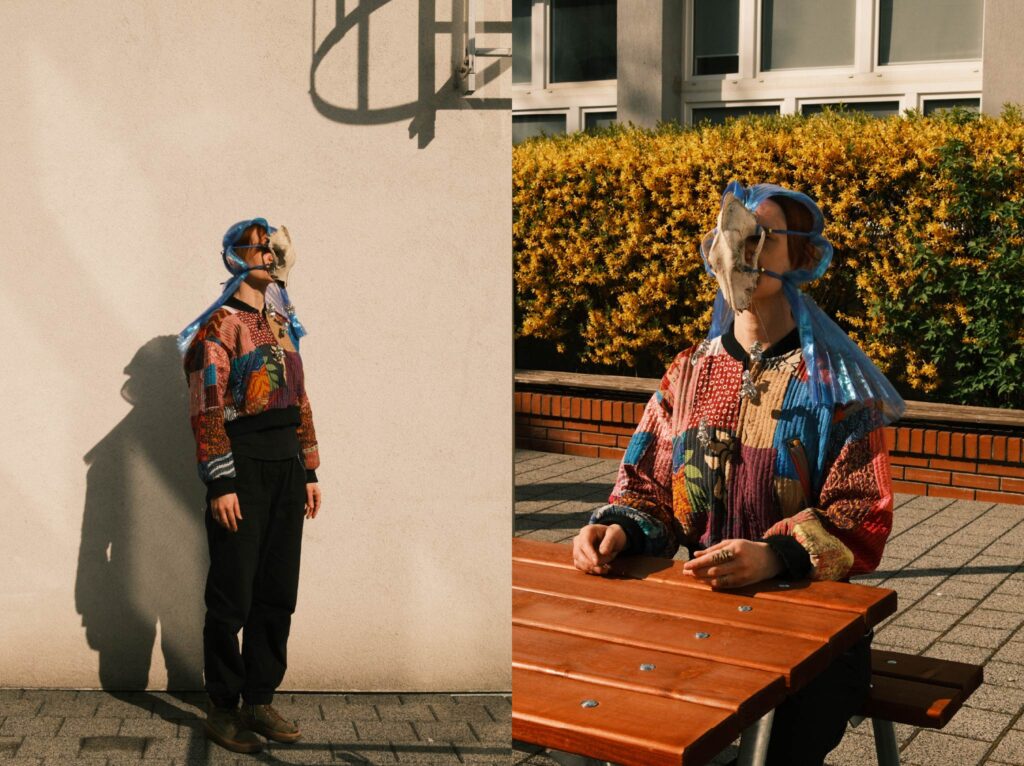
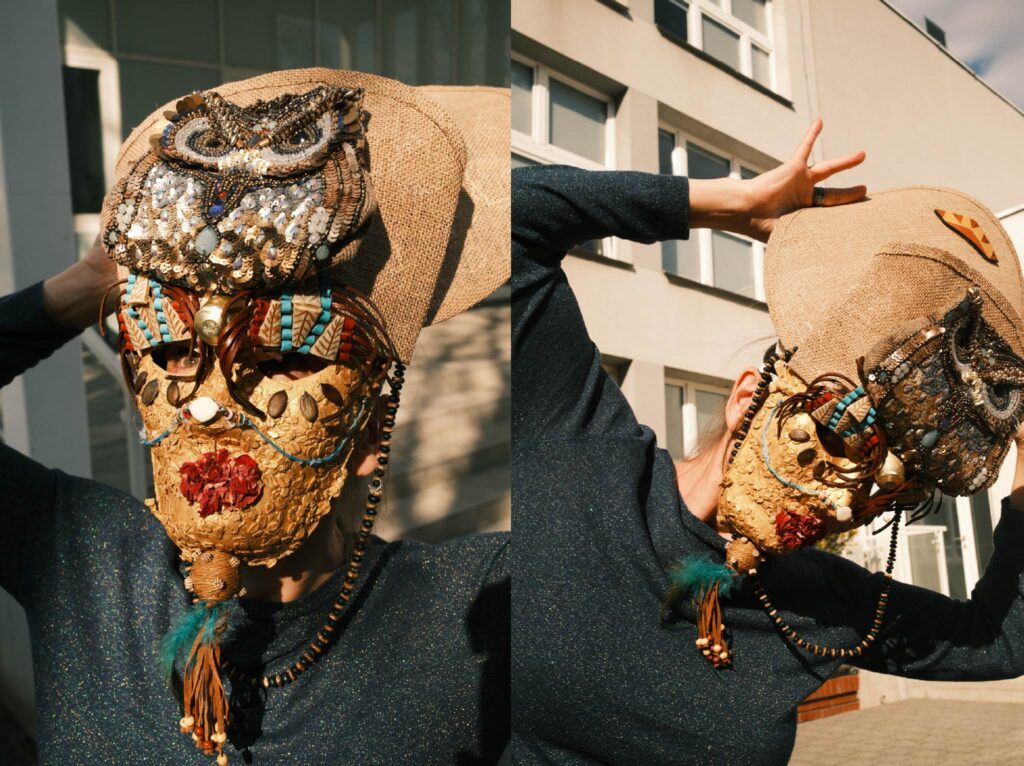
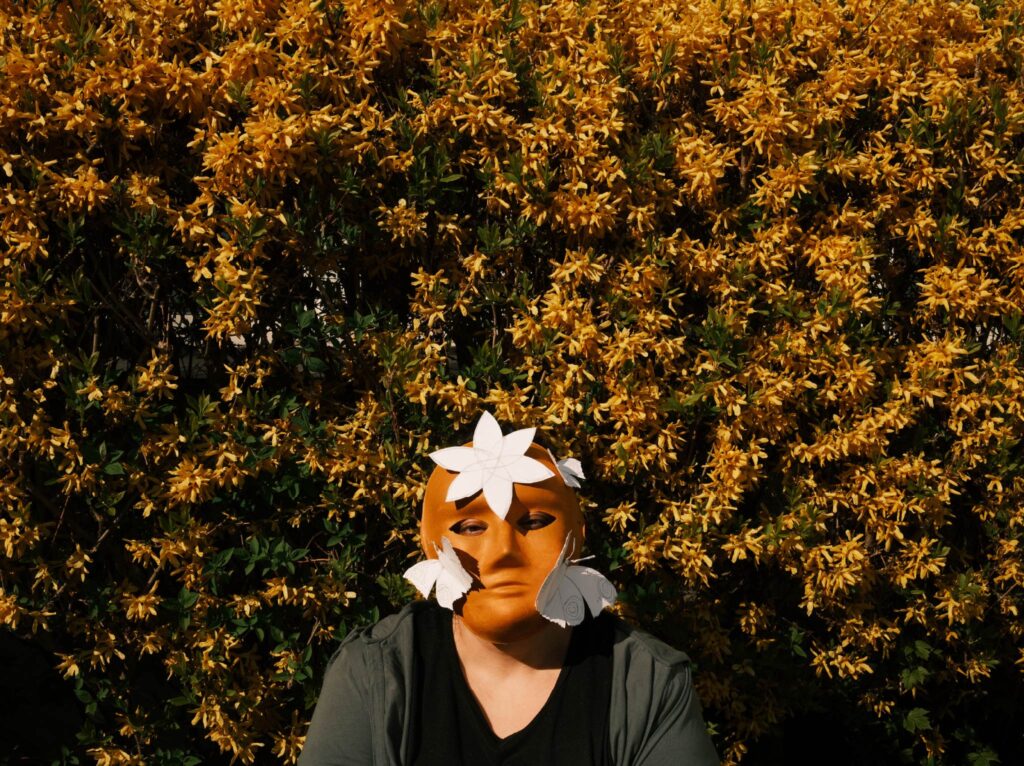
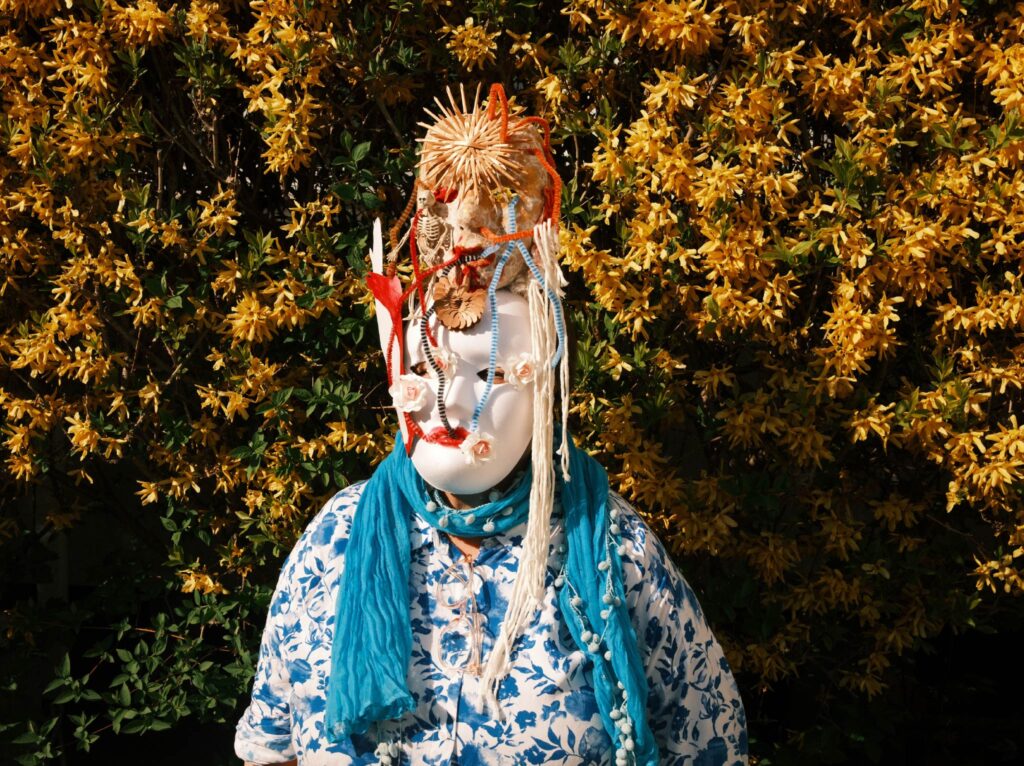
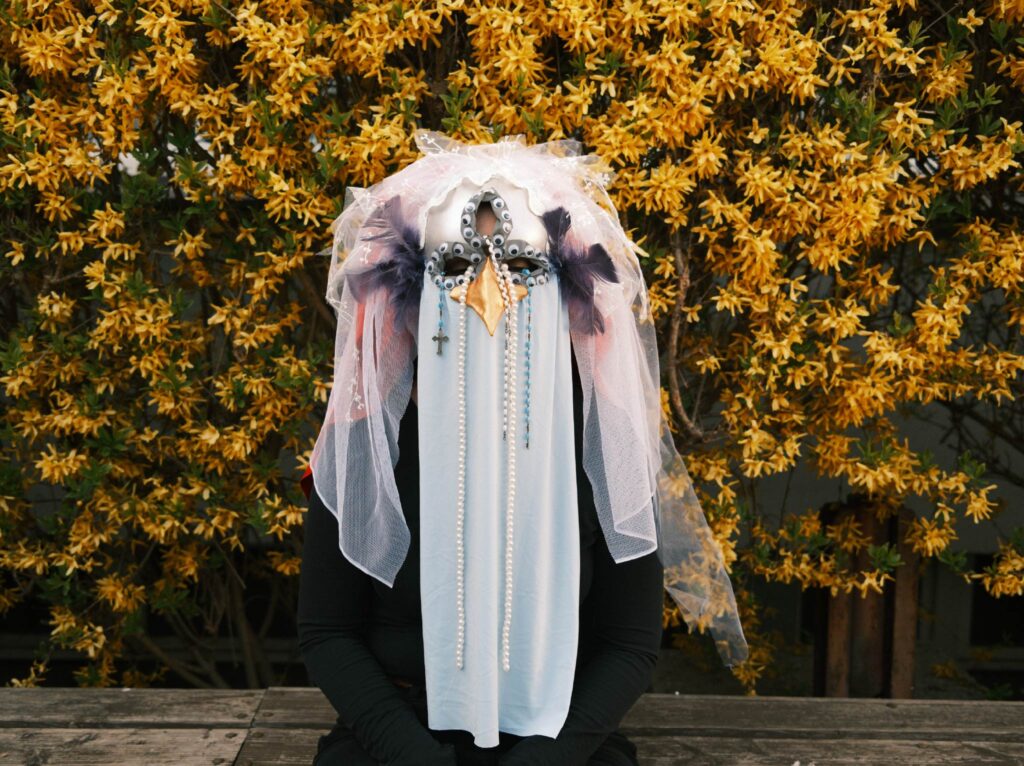
This course offers participants the opportunity to explore the dialogue between costume and performativity. Costume is perhaps the oldest art form created through the medium of embodiment. Our ancestors crafted masks and adorned themselves with costumes in order to transform into something beyond the human—to embody archetypes and perform rituals.
During the course, participants will engage with this tradition. The aim is to approach costume both as an artistic object and as a tool for creating a new kind of body or presence. Throughout the course, participants will conceptualize their projects, connecting them to their personal experiences and perspectives.
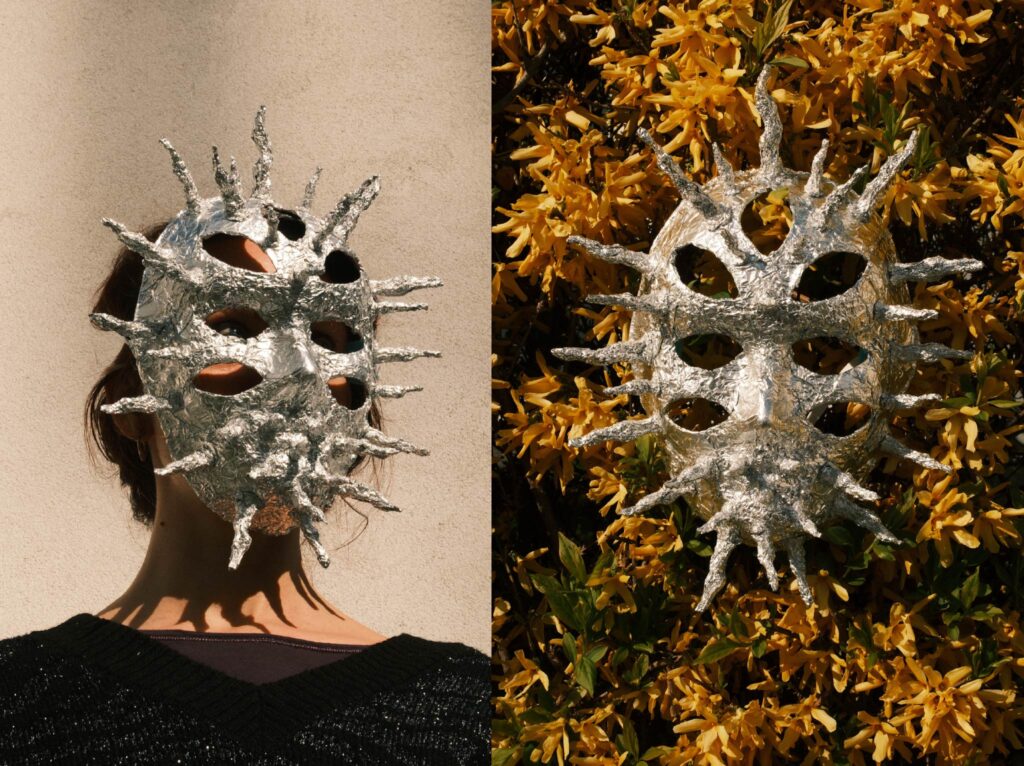
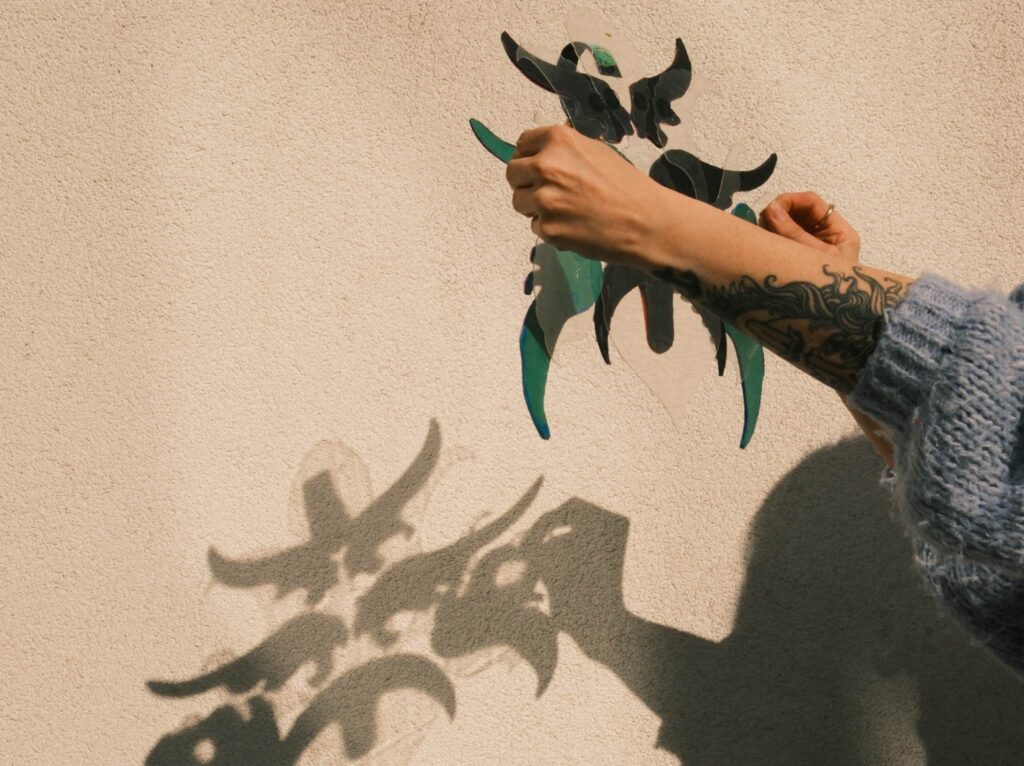
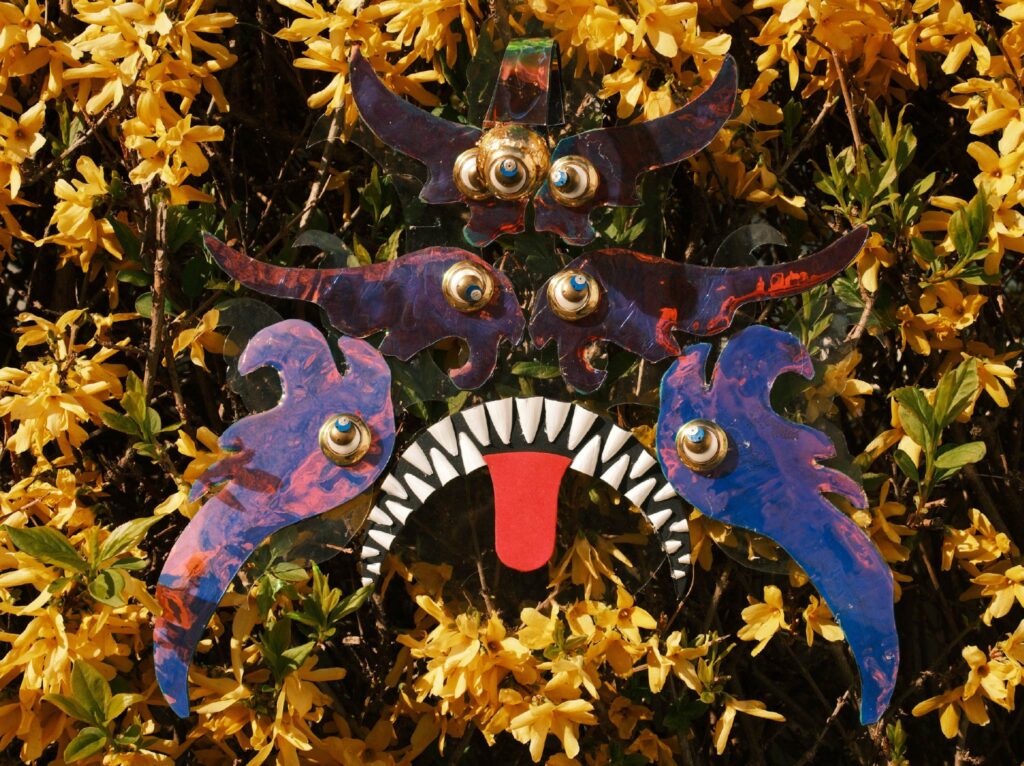
They will design and build sculptural costumes with their own hands, learning various techniques and ways of thinking drawn from sculptural practice. A vital component of the course will be the conceptualization of materials: how to find, select, and use them meaningfully.
Another key focus will be the objectification of one’s own body. Participants will wear the costumes themselves and create performances using movement, voice, and visual language to fully experience the expressive power of performance.
The course will culminate in a final group exhibition, where participants will have the opportunity to present their work in the medium of their choice—whether that be installation, video, or live performance.
Throughout the course, participants will continuously reflect on and discuss their projects with the group and the instructor, ensuring that the final result is a cohesive and complete artistic work.
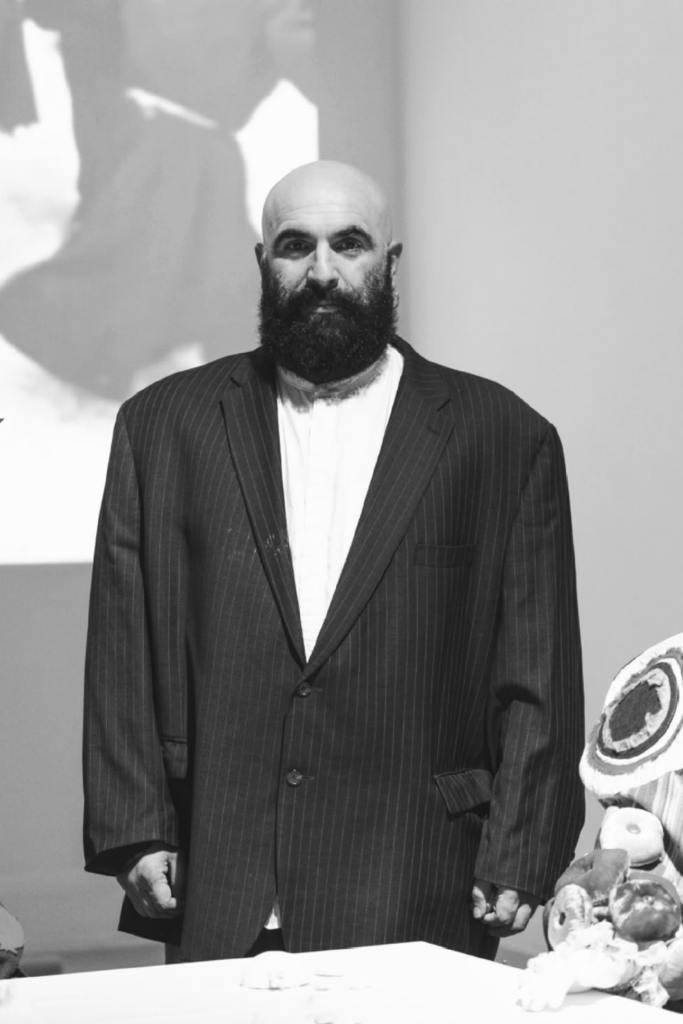
Uta Bekaia
Multimedia ArtistUta Bekaia is a Georgian-born multimedia artist currently based between Brooklyn and Tbilisi. His work centers on the speculative reimagining of ancestral rituals through a queer utopian lens. Drawing inspiration from traditional crafts, Bekaia creates elaborate wearable sculptures, ceramics, tapestries, and objects, which he incorporates into immersive installations, films, and live performances.
Born in Tbilisi, Georgia, Bekaia moved to New York in the late 1990s and has spent much of his adult life immersed in its vibrant art scene. He now divides his time between Tbilisi, New York, and cities across Europe, actively participating in international artistic collaborations.
Bekaia began his creative journey by studying Industrial Design at the Tbilisi Mtsire Academy, an education that shaped his conceptual and material practice. His career has been marked by key milestones, including residencies at ART OMI, the Museum of Arts and Design (MAD) in New York, and the Garikula Art Residency in Georgia.
Blending traditional craftsmanship with contemporary narratives, Bekaia’s work has been showcased at a wide range of venues—from the Window Project in Tbilisi and the “Pickle Bar” in Berlin to the Museum of Modern Art in Tbilisi and the Istanbul and Kyiv Biennials.
His exhibitions have been hosted by notable art institutions and galleries, including ERTI Gallery (Tbilisi), the Silk Museum (Tbilisi), The Lodge Gallery (New York), Marisa Newman Projects (New York), and the Center for Contemporary Art (Batumi).
Bekaia also works extensively in performance. He has organized public parades for Tbilisi City Hall’s Tbilisoba Festival, participated in the opening ceremony of the UNESCO World Book Capital in Dubai, and performed at festivals such as Turn Park and Art Park in New York, engaging diverse audiences beyond the gallery setting.
In 2019, he co-founded Fungus, a creative collective in Tbilisi that provides a collaborative platform for LGBTQ+ artists, fostering visibility and empowerment within Georgia’s cultural landscape.
https://utabekaia.com/
https://www.instagram.com/utabekaia/
Target Group
The course is designed for university-level students in the arts, emerging artists, performers, costume designers, fashion designers, sculptors, and interdisciplinary practitioners interested in exploring the relationship between costume, sculpture, performance, and the body as an artistic medium.
The program is suitable for participants seeking to expand their artistic practice through experimental approaches that combine visual art, performance, material research, and embodied methodologies.
Prerequisites
No formal background in costume design, sculpture, or performance is required.
Applicants should demonstrate:
- a strong artistic interest and creative curiosity;
- motivation for experimental and interdisciplinary practice;
- willingness to engage in conceptual thinking, studio work, movement exercises, and collaborative discussion.
Previous experience in visual arts, fashion, theatre, dance, or performance may be beneficial but is not mandatory.
Objective
The primary objective of the course is to provide participants with a comprehensive understanding of costume as a sculptural and performative medium by integrating conceptual research, material experimentation, and embodied artistic practice.
Participants will develop competencies in:
- Concept Development – translating personal narratives, mythology, ritual, identity, and cultural references into original artistic concepts.
- Sculptural Costume Construction – designing and fabricating wearable sculptural forms using mixed-media techniques, soft sculpture, textile manipulation, armature construction, and experimental materials.
- Embodied Practice – exploring movement, voice, presence, and performative storytelling as methods for activating sculptural costumes.
- Material Research – understanding the symbolic, tactile, and conceptual potential of materials within contemporary artistic practice.
- Critical Reflection – developing analytical skills through peer critique, individual mentoring, and group discussion.
- Performance Presentation – creating and presenting a final work in the form of a live performance, installation, or video artwork.
Outcome
Upon completion of the course, each participant will:
- develop an original wearable sculptural artwork;
- acquire practical skills in sculptural costume construction and mixed-media techniques;
- gain experience in movement-based and performative artistic practices;
- understand historical and contemporary approaches to costume in ritual, performance, and contemporary art;
- produce a documented final artistic project suitable for inclusion in a professional portfolio;
- strengthen their ability to articulate artistic concepts both verbally and visually.
Learning Methods
The course follows a practice-based “Learning by Doing” methodology, combining theoretical inquiry with intensive studio production and embodied experimentation.
Teaching methods include:
- lectures and visual presentations;
- practical studio workshops;
- demonstrations of sculptural and textile techniques;
- movement and embodiment laboratories;
- voice and performative storytelling exercises;
- individual tutorials and mentoring;
- group critiques and reflective discussions;
- collaborative experimentation and peer learning.
This methodology encourages participants to integrate conceptual thinking, material exploration, and performative practice into a coherent artistic process.
Format
- Lectures and seminars
- Studio practice
- Material experimentation workshops
- Movement and embodiment laboratories
- Voice and performance training
- Individual mentoring sessions
- Group critiques and discussions
- Final public presentation, installation, or video screening
Topics
- Introduction to course + each participant
- Lecture: History of costume in ritual and performance
- Movement session: Sensing the body as expressive material
- Discussion: What is transformation through costume?
- Drawing + writing workshop: Mapping inner archetypes
- Research references (myth, pop culture, identity)
- Begin sketching costume concept
- Intro to materials: found, symbolic, tactile
- Lecture: Form, weight, movement, silhouette
- Techniques: armatures, padding, textile manipulation
- Studio work: material testing + maquettes
- Demo: Soft sculpture / sewing / wire structures
- Studio: Begin constructing wearable elements
- One-on-one feedback with instructor
- Embodiment workshop: Costume and movement interaction
- Continue building forms
- Try-on and test: How does the body respond?
- Voice and breath work: vocal textures and emotional range
- Studio: Adapt design based on feedback from movement/voice
- Group critique session
- Lecture: The psychology of masks + concealment/revelation
- Optional mask-making workshop
- Finalizing form + integrating visual language
- Movement lab: choreography with costume
- Performance scripting or score development
- Studio refinement
- Lecture: Installation, space, and documentation
- Plan performance format (live/video/installation)
- Tech prep: lights, audio, props
- Rehearsals with full costume
- One-on-one coaching
- Adaptations based on technical needs
- Public or in-studio performance showcase
- Video or photo documentation
- Group celebration and feedback
- Artist talk presentations
- Documentation review + digital portfolio prep
- Final group circle: lessons, discoveries, and next steps.
Final selection of student works for the exposition. Preparing and formatting the creative outcomes in accordance with exhibition standards. Developing the exhibition layout and spatial planning for the projects.
Public presentation of the students’ practical work in an open exhibition format. Project presentations, discussion of the results, award ceremony for course certificates, and course wrap-up.
Gallery
Registration Form
You are registering for: The Embodied Artifact: Costume as Sculptural Form and Performative Tool